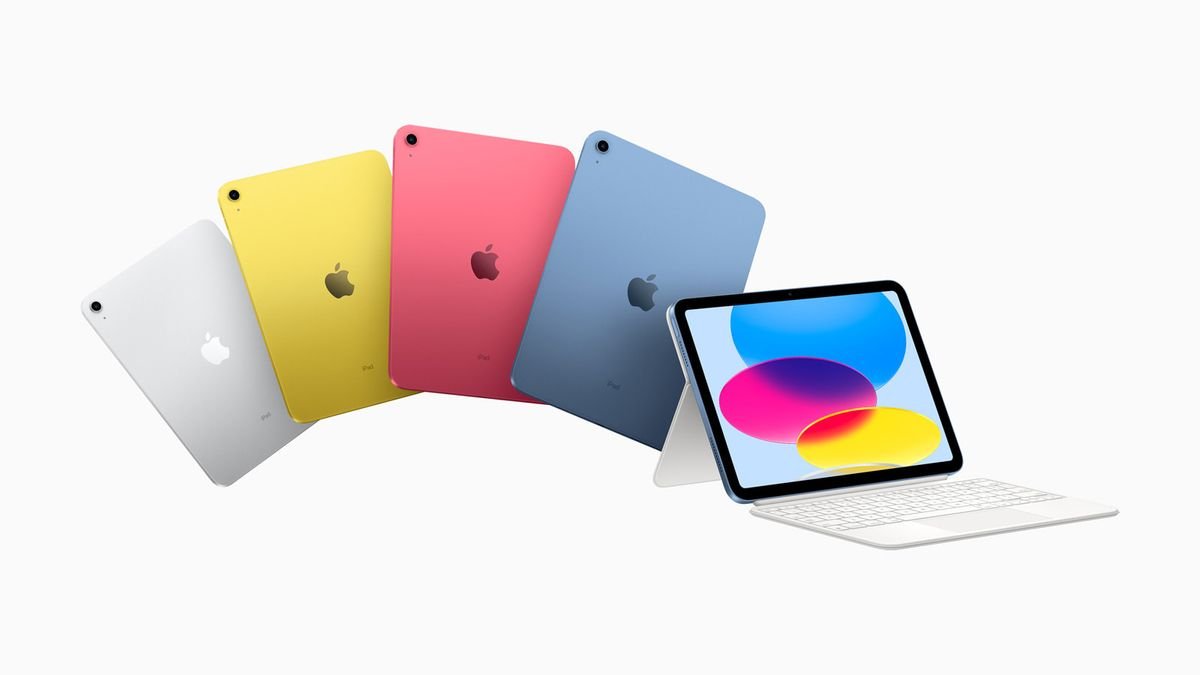
Is your trusty iPad 7th Gen still kicking in 2024, or has it become more of a digital paperweight? This isn't just a question of whether it turns on, but whether it truly retains its iPad 7th Gen's Value & Longevity in 2024 in a rapidly evolving tech landscape. As someone who’s tracked Apple’s hardware and software cycles for years, I can tell you that the answer isn't a simple yes or no. It's a nuanced look at what you need it for, how much patience you have, and what the latest software updates truly mean for a device released way back in 2019.
At its core, a 2019 tablet is now five years old, and in the tech world, that's practically a generation or two removed. But unlike many gadgets that gather dust after a few years, iPads have a knack for defying planned obsolescence—to a point. Let’s dive into what that point looks like for your 7th Gen.
At a Glance: Your iPad 7th Gen in 2024
- Software Support: Still receiving full iPadOS updates (currently on iPadOS 18.7.4 as of late 2025, per our data). This is a huge plus for security and app compatibility.
- Performance: Sufficient for light tasks (browsing, streaming, casual games) but will struggle with demanding apps.
- Battery: Likely showing significant wear; replacement might be costly relative to the device's value.
- Value: Low trade-in/resale value, but still functional for basic secondary device roles.
- Lifespan Expectation: Approaching the end of its "medium use" window, but solid for "light use" for a few more years.
The iPad 7th Gen: A Look Back (and Forward)
Introduced in September 2019, the iPad (7th Generation) marked a subtle but significant upgrade, expanding the screen size to 10.2 inches and adding Smart Keyboard support. It was powered by the A10 Fusion chip, the same processor found in the iPhone 7, and offered a solid everyday experience for its time. It also notably retained the Lightning connector and the beloved Home button with Touch ID. For a deeper dive into its original specs and what made it tick back then, you can explore more details About the iPad 7th generation.
Fast forward to 2024, and that A10 chip is facing stiff competition from Apple's newer A-series and particularly the powerhouse M-series chips now found in many of its siblings. But what does that mean for its day-to-day usability?
The Critical Question: Software Support in 2024 (and Beyond)
Apple's commitment to software updates is a cornerstone of iPad longevity. Generally, an iPad can expect 6-7 years of full iPadOS updates, followed by an additional 2-3 years of critical security patches. This brings total support to an impressive 8-10 years for some models.
The iPad 7th Gen (released 2019) with its A10 chip is currently (as of December 2025 data, projecting forward from 2024 for support window) running on iPadOS 18.7.4. This is excellent news, as it means the device is still receiving the latest features, app compatibility, and, most importantly, crucial security updates.
However, historical patterns suggest that A-series chips typically hit their update ceiling before the newer M-series. The iPad Air 2 (2014) received full iPadOS updates for 7 years until 2021, and security-only updates for another year until 2022. Based on this, your 7th Gen iPad, being a 2019 model, is likely in its final year or two of full iPadOS updates in 2024-2025, and could then transition to a security-patch-only phase for a couple more years.
What does this mean for you?
- Security: For now, you’re covered. As long as it's receiving current iPadOS versions, your data is relatively safe.
- Features: You'll continue to get new iPadOS features, although some advanced functionalities reliant on newer hardware might be absent.
- App Compatibility: Most apps will continue to run smoothly. The real challenge comes when developers drop support for older iPadOS versions, typically after 2-3 years of a device no longer receiving full updates.
The looming question is when the iPad 7th Gen will stop receiving any updates. Given it's still on iPadOS 18.7.4 (a relatively current version for a 2019 device by late 2025), it's performing better than many older models. However, its A10 chip might soon hit its architectural limits for the most demanding new iPadOS features. Keep an eye on Apple's announcements for future iPadOS versions; if your 7th Gen is skipped, that's a clear signal its full update cycle is ending.
Performance Realities: What You Can (and Can't) Do
The A10 Fusion chip was a workhorse, but five years is a long time in computing. Here’s a realistic breakdown of its performance in 2024:
- Light/Casual Use (7-9 years expectation for this category): This is where the iPad 7th Gen truly shines in its later life.
- Web browsing: Still perfectly adequate for Chrome, Safari, and other browsers.
- Email & messaging: No issues here.
- Video streaming: Netflix, YouTube, Disney+, Hulu, etc., run smoothly. The 10.2-inch display is great for media consumption.
- Reading: Excellent for e-books, news apps, and digital magazines.
- Casual gaming: Simpler puzzle games, card games, and older titles will perform well.
- As a kitchen tablet or smart home controller: Ideal for these roles, always connected and ready.
- Medium Use (5-7 years expectation): This category starts to push the limits of the 7th Gen.
- Schoolwork/basic office tasks: Word processing, spreadsheets (basic), presentations are generally fine. Multitasking with Split View might feel a bit sluggish, especially with more complex documents or many tabs open.
- Light graphic design/photo editing: Basic edits in apps like Photos or Snapseed are manageable. More demanding apps like Procreate or complex Photoshop tasks will show noticeable lag, long loading times, and potentially crashes.
- Occasional gaming (modern titles): Forget graphically intensive games like Genshin Impact or high-fidelity racing sims on anything but the lowest settings, and even then, performance will be spotty and frame rates low.
- Heavy Use (3-5 years expectation): This is largely outside the 7th Gen's wheelhouse in 2024.
- Advanced photo & video editing: Apps like LumaFusion or Affinity Photo will be a frustrating experience, with constant buffering, crashes, and slow rendering.
- 3D modeling/animation: Not recommended.
- High-end gaming: Modern AAA mobile games will not run well, if at all.
The Bottom Line: If your primary needs are media consumption, communication, and light productivity, your iPad 7th Gen offers excellent value. It remains a capable device for these tasks. However, if you’re looking to push creative boundaries or engage in serious mobile gaming, its age will become painfully apparent.
Battery Health: The Silent Killer of Longevity
One of the most common reasons people upgrade their iPads isn't the chip, but the battery. An iPad battery's average lifespan is 2-4 years, meaning your 7th Gen's battery is likely well past its prime. You can check its health in Settings > Battery > Maximum Capacity. If this figure is below 80%, you're experiencing significant degradation.
A battery that lasts less than 4 hours on a charge is a clear indication of a worn-out cell. While Apple offers battery replacement services ($129-199), this cost needs to be weighed against the current value of your 7th Gen iPad. For a device now around five years old with limited resale value, investing nearly $200 in a new battery might not be the most cost-effective solution, especially if other performance issues are cropping up. It might make more sense to put that money towards a newer model.
Is Your iPad 7th Gen Sending Signals? 5 Signs It's Time for an Upgrade
Your iPad might still power on, but its usability could be severely compromised. Here are the tell-tale signs, directly from expert observations, that your iPad 7th Gen is ready to retire or be repurposed:
- No More Security Updates: Check
Settings > General > Software Update. If it shows your iPad is "up to date" but the iPadOS version is 2+ years old (e.g., stuck on iPadOS 16 in 2024), your device is no longer receiving critical security patches. This makes it vulnerable to malware and data breaches, making tasks like online banking or sensitive email unsafe. - Apps Crashing Frequently: As app developers update their software, they often drop support for older iPadOS versions or hardware architectures. If your favorite apps are consistently crashing, freezing, or failing to launch, it's a sign that your iPad can no longer keep up.
- Battery Lasts Less Than 4 Hours: As mentioned, a significantly degraded battery makes your iPad tethered to a charger, severely limiting its portability and usefulness. The cost of replacement often makes it a poor investment for an older device.
- Significantly Slow Performance: Waiting 30+ seconds for an app to open, experiencing constant lag when switching between applications, or watching webpages slowly render are all frustrating signs of an aging processor struggling with modern software demands.
- Can’t Install New Apps: Some apps, particularly newer ones or those requiring advanced features, set minimum iPadOS version requirements. If the App Store consistently tells you an app is incompatible because your iPadOS version is too old, your device has hit a major wall for new functionality.
If your iPad 7th Gen exhibits two or more of these symptoms, it's likely time to seriously consider an upgrade.
Maximizing Value: When to Keep, When to Sell, When to Repurpose
You’ve assessed the situation. Now, what's the smartest move for your iPad 7th Gen?
When to Keep Your Old iPad
Even if it's no longer your primary device, an iPad 7th Gen can still be incredibly useful:
- For basic tasks: If all you need is a device for casual web browsing, streaming movies, or reading, it's perfectly capable. Don't replace what still works for your core needs.
- As a kids’ device: Older iPads are fantastic for children. Parental controls still function, and the device can handle educational apps or games without fear of damage to a brand-new, expensive model.
- As a secondary device: Dedicate it to specific roles. Think kitchen tablet for recipes, a workout companion for guided exercises, or a smart home controller mounted on a wall. Its continued software support for current iPadOS versions makes it reliable for these tasks.
- If it still receives security updates: As long as it's getting critical security patches, it remains a safe device for general use.
Extending Its Usability
If you decide to keep your 7th Gen iPad, here are some actionable tips to eke out every last bit of life and performance:
- Avoid extreme temperatures: Heat (direct sunlight, leaving it in a hot car) and extreme cold degrade battery health rapidly.
- Schedule regular storage cleanups: Low storage space cripples performance. Delete unused apps, clear caches, and offload photos/videos to cloud storage.
- Limit screen brightness: Reducing brightness saves battery life and can extend screen longevity.
- Invest in a sturdy case: Physical protection is paramount. A good case prevents accidental damage that could render the device useless.
- Keep it away from water and steam: Bathrooms and kitchens are common death traps for electronics.
- Prevent unnecessary background app refreshing: Turn off background app refresh for apps you don’t constantly need to update in
Settings > General > Background App Refresh. This saves battery and processing power. - Consider accessories: A Bluetooth keyboard can transform it into a light laptop for emails, while the First Gen Apple Pencil (which it supports) can still offer a decent drawing or note-taking experience for casual users.
When to Sell Your iPad 7th Gen
While its trade-in value is significantly lower than when it was newer, a functioning iPad 7th Gen still has value, especially if it's in good condition and still receiving software updates.
- The 3-4 year mark is ideal: For any iPad, selling it when it's 3-4 years old yields the best return. At five years, the value has dropped sharply.
- Before a new model is announced: Apple typically announces new iPads in March/May (Pro models) and September/October (base models). Selling 2-4 weeks prior can net you 15-20% more.
- While it still receives software updates: Buyers pay a premium for supported models. As your 7th Gen might be nearing the end of its full update cycle, selling sooner rather than later is prudent.
- If you're upgrading anyway: Don't let it depreciate further in a drawer. Even a 2018-2020 model can still fetch $150-300 in good condition on third-party marketplaces.
Options for an End-of-Life iPad
If your iPad 7th Gen is no longer serving your needs or has too many of the "signs it's time to replace" symptoms, you still have options beyond the trash bin:
- Sell for cash: Third-party buyers (online marketplaces, pawn shops) will often purchase iPads in any condition, even non-functional ones for parts. Expect modest returns.
- Trade it in to Apple: This is convenient but typically yields 20-30% less value than selling to a third-party. The value might be minimal for a 7th Gen, possibly just a recycling credit.
- Donate it: Schools, libraries, and seniors' centers can often put older iPads to good use for basic tasks, educational games, or digital literacy programs.
- Recycle responsibly: If it truly has no market value, Apple and major electronics retailers like Best Buy offer free recycling programs to ensure electronic waste is handled safely.
The Verdict: Is the iPad 7th Gen "Still Relevant" in 2024?
Absolutely, but with a significant caveat: it's relevant for specific, less demanding use cases.
For the majority of users who rely on an iPad for browsing, streaming, email, and casual entertainment, the iPad 7th Gen continues to be a perfectly functional and valuable device in 2024. Its continued (though perhaps limited) software support means it remains secure and compatible with most essential apps. Its 10.2-inch screen and support for the first-gen Apple Pencil and Smart Keyboard still provide a good user experience for light productivity.
However, if your needs have grown—if you require faster performance for intensive apps, seamless multitasking, or want to enjoy the latest graphically demanding games—then the iPad 7th Gen will fall short. Its A10 chip, while robust for its time, simply cannot compete with the speed and efficiency of newer A-series or M-series iPads. In these scenarios, its longevity is being challenged, and its value as a high-performance tool has diminished.
Making Your Next Move: A Decision Framework
Now, the ball is in your court. Here's a quick framework to guide your decision:
- Assess Your Current Needs:
- Are your tasks light and casual? Keep your iPad 7th Gen. Focus on extending its life with the tips above. It's still a solid value.
- Are your tasks medium or heavy? Proceed to step 2.
- Evaluate Performance & Battery:
- Is it showing two or more "signs it's time to replace?" Your device is struggling. Consider an upgrade.
- Are its current struggles tolerable for your needs? Perhaps keep it as a secondary device and save up for a new primary one.
- Consider an Upgrade (If Needed):
- Budget-friendly upgrade: Look at the latest base model iPads (9th or 10th Gen) or even refurbished iPad Air models. These offer significantly better performance for a reasonable price.
- Performance-focused upgrade: If you need power for creative work or serious gaming, an iPad Air with an M1/M2 chip or an iPad Pro with an M2/M4 chip will deliver a vastly superior experience and provide many more years of high-performance longevity.
Ultimately, the iPad 7th Gen's continued software support in 2024 (and likely into 2025 for full updates, then security thereafter) is its strongest asset, extending its useful life beyond what many other electronics achieve. But knowing its limitations—especially regarding its aging chip and battery—is key to setting realistic expectations and making an informed decision about its place in your digital life.